The Stanford Heart Transplant Program is one of the most active and successful heart transplant centers in the country. Our transplant program exceeds the national average for survival post heart transplantation. We pioneer innovations in heart transplantation so we can provide more hearts to more people, often with shorter-than-expected wait times.
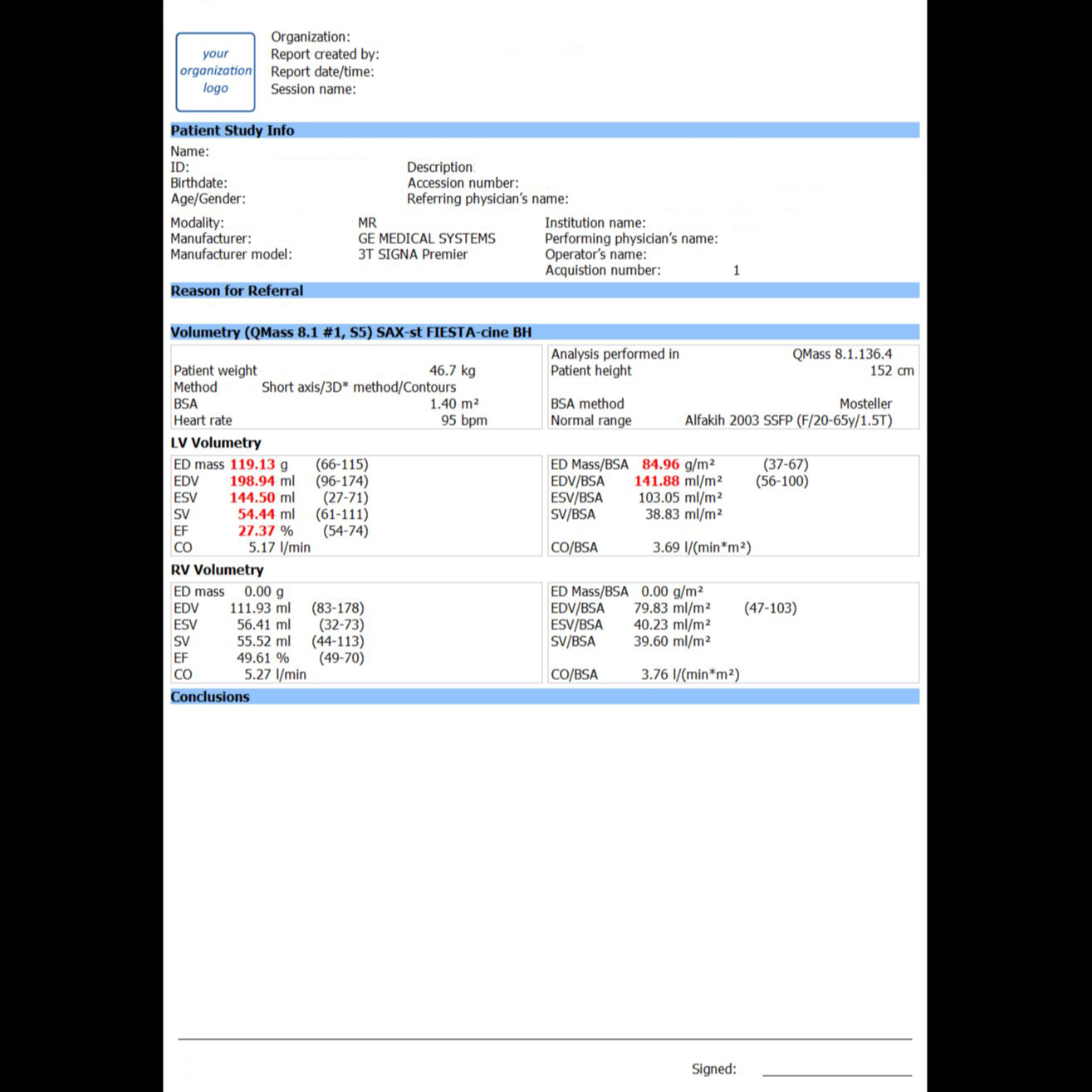
Our Heart Mass and Flow service is dedicated to utilizing advanced scanning techniques for an in-depth assessment of cardiac morphology, function, and flow. This comprehensive approach allows for the detailed evaluation of various cardiac conditions, including congenital malformations, aortic valve issues, restrictive cardiomyopathy, and cardiac tumors. By analyzing the structure of the heart, we can identify anatomical abnormalities that may impact its function.
In addition to morphological assessments, our service focuses on evaluating cardiac function, including measurements of ejection fractions and mass analysis. These functional analyses provide insights into the heart's performance, aiding in the detection and management of conditions affecting cardiac efficiency.
Furthermore, our service meticulously examines flow through the cardiac valves, enabling the identification of flow abnormalities that could indicate valvular diseases or other cardiac issues. By integrating assessments of morphology, function, and flow, our Heart Mass and Flow service offers a holistic view of cardiac health, supporting healthcare professionals in diagnosing and treating heart conditions with greater precision. This integrated approach ensures that patients receive targeted interventions based on comprehensive and accurate cardiac evaluations.


